
Most weight loss patch mistakes are not about the patch itself. They are about what people expect from it, what they skip before using it, and what they buy. This guide goes through seven of them, roughly in order of how much they cost you, and quotes the FTC or FDA wherever they have said something.
Is Expecting The Patch To Cause Weight Loss The Biggest Mistake?
Yes, and it is the mistake every other one grows from. It also happens to be the one the sales pages work hardest to encourage.
We say this on a site that recommends one patch, and that is deliberate. Our ingredients breakdown found that the strongest candidates have real research behind them at oral doses that a patch does not match. The honest job for a patch, if it has one, is a small daily habit cue. The diet and exercise guide shows where it sits next to the things that actually move the scale.
Do You Believe Ads That Promise Results Without Effort?
The FTC lists false promises that are common in weight loss ads. Four of them show up on patch pages all the time:
- "Lose weight without dieting or exercising"
- "You can lose 30 pounds in 30 days"
- "This product works for everyone"
- "Lose weight with this patch or cream"
Source: FTC Consumer Advice. The same pattern shows up in “FDA approved” claims: in 2004 the FTC challenged a patch marketer for falsely saying the FDA had approved the product's main ingredient for weight loss (FTC press release, Dec. 15, 2004). In our view, a page that leans on approval, celebrity endorsements or before-and-after photos instead of showing you a label is telling you something.
Are You Applying It To The Wrong Skin, Or The Wrong Way?
These are label-level basics, but people skip them, and skin is where a patch problem shows up first:
- Clean, dry skin only. Lotion, oil or sweat under a patch stops it sticking and tells you nothing about the product.
- Never on broken, sunburned or irritated skin. If a spot is already red, pick another one.
- Rotate the spot. Putting a new patch on the same patch of skin every day is how mild irritation becomes a real reaction.
- One patch at a time, as directed. Doubling up is not a stronger dose. It is an unlabeled one.
Our placement guide covers where on the body to apply one and why, and the side effects guide covers what a normal reaction looks like and when to peel it off and stop. This is general information, not medical advice.
Are You Skipping The Conversation With A Doctor Or Pharmacist?
It feels unnecessary for something you stick on your skin. It is the cheapest step on the list, and the FDA's advice is short:
That matters most if you are pregnant or nursing (see our pregnancy article), take regular medication or have an existing health condition. The safety guide explains who should be cautious and why.

Are You Stacking Patches With Pills, Teas Or Other Weight-Loss Products?
This is the mistake that looks like effort. If one product is good, three must be better. The FDA's warning points the other way: it says many products that claim to help with weight loss, such as diet pills, fat-burning pills, supplements and teas, are "likely to be contaminated with dangerous hidden ingredients," and that these contaminated products "are not guaranteed to work." (FDA, Weight Loss Product Notifications)
Each added product adds unknowns. If you get jittery, sleepless or itchy, you can no longer tell which one did it. Change one thing at a time, and ask a pharmacist before you combine anything.
Are You Judging Results Too Early, Or Too Late?
Both happen. People declare a patch a miracle in week one, or a failure in week one. Then they keep buying for six months because they never set a date to decide.
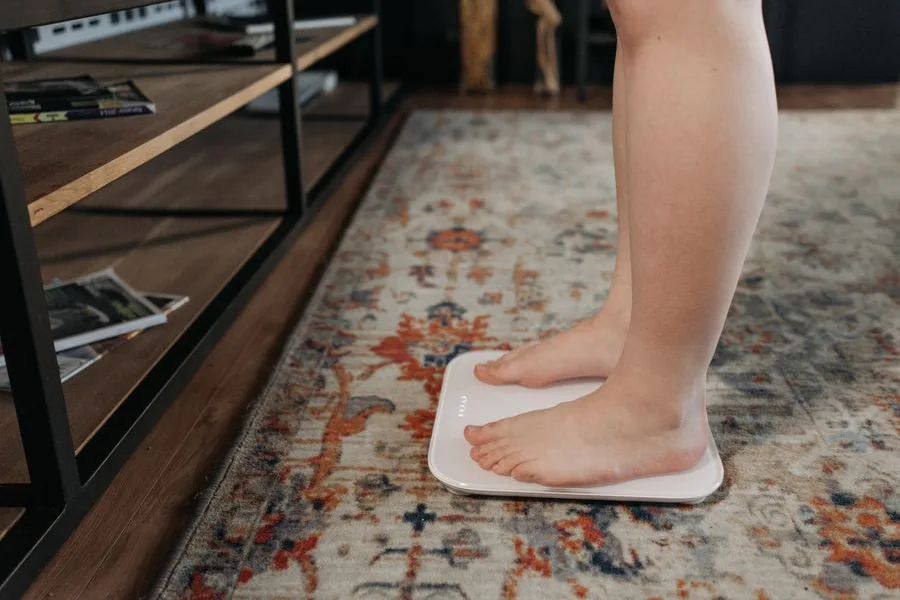
Our timeline article estimates that visible change typically takes three to six weeks even when a patch is paired with sensible eating and movement. So decide your review date on day one, write down your starting numbers (waist, weekly weight, steps) and check them on that date. If you changed nothing else and nothing moved, that is your answer. If you did change your habits and things moved, give the credit to the habits.
Also note the return window the day you order. A 30-day policy is only useful if you remember it exists on day 29.
Are You Buying A Patch Without A Full Ingredient List?
This is the mistake that costs the most in the worst case. A label that lists every ingredient lets you check each one against the research and against your own medications. A page that hides it asks you to trust a stranger.
- Look for the full ingredient list before you pay, not a benefits graphic. Amounts per ingredient are even better, so ask for them when you can.
- Find the seller's details and return terms. If you cannot find who is selling it, do not buy it.
- Know what a patch is, legally. As we explain in the transdermal vs oral article, a patch is not legally a dietary supplement (the law defines those as products you swallow), so the supplement label rules do not cover it. That makes the seller's own honesty matter more.
What Are The Seven Mistakes, At A Glance?
| Mistake | What it costs you | The fix |
|---|---|---|
| Expecting the patch to cause weight loss | Months of waiting for the wrong lever | Build diet, movement and sleep first |
| Believing "no effort" ads | Money, and disappointment | Use the FTC red-flag list |
| Poor skin prep or reusing the spot | Irritation, patches that do not stay on | Clean, dry skin; rotate the spot |
| Skipping the doctor or pharmacist | Risk you did not know you had | Ask before you start |
| Stacking products | Untraceable reactions, hidden-ingredient risk | Change one thing at a time |
| Judging results at the wrong time | Quitting early or paying for months | Set a review date on day one |
| Buying without a full label | Ingredients you cannot check | Full list, seller and return terms first |
Akemi Slim Patch: If You Try One Anyway
If you have read the above and still want to try a patch, choose one that shows you everything. Akemi Slim lists all 11 ingredients on the label and comes with a 30-day money-back guarantee through the official offer. The label does not give the amount of each herb, which our review takes into account. It is a support habit, not a shortcut.
What Should You Do Instead Of Chasing A Miracle?
Start with the boring baseline that works with or without a patch: the CDC's adult activity guidelines, which call for 150 minutes of moderate-intensity activity a week plus muscle-strengthening on at least 2 days, and a modest, sustainable pace. The diet and exercise guide turns that into a realistic week. If you are new to this series, the complete weight loss patches guide is the place to start.
Frequently Asked Questions
Do weight loss patches actually work?
The FTC says plainly that nothing you wear or apply to your skin will cause you to lose weight. Some ingredients have research behind them, but at much higher oral doses than a patch delivers. Weight loss comes from the habits around the patch, not from the patch.
What is the most common weight loss patch mistake?
Expecting the patch to do the work. Every other mistake, from skipping the label to stacking products, grows out of that expectation. Treat the patch as a daily habit cue at most, and put your effort into food, movement, sleep and a realistic pace.
Is it safe to combine a patch with pills or teas?
It adds unknowns. The FDA warns that many weight loss products are likely to be contaminated with dangerous hidden ingredients, and every extra product raises the chance of a reaction you cannot trace. Talk to a pharmacist or doctor before combining anything.
How can I tell if a weight loss patch is a scam?
Use the FTC's list of false weight-loss promises: lose weight without dieting or exercising, lose 30 pounds in 30 days, works for everyone, and lose weight with this patch. Also skip any page that hides the full ingredient list, the seller's details or the return terms.

Rachel Monroe
Rachel researches weight-management products and translates the marketing and the science into plain, honest guidance. She is not a doctor, dietitian, or medical professional, and this article is not medical advice.