
How Are Weight Loss Patches Regulated in the U.S.?
That's not automatically a red flag, plenty of legitimate products are sold this way. But it does mean the burden of due diligence shifts a bit more to you as the buyer: check the ingredient list, look for a real refund policy, and don't assume "for sale" means "clinically proven."
What Are the Most Common Side Effects?
Based on how these products are used and reported, the issues that come up most are:
- Skin irritation or redness at the application site, usually from the adhesive rather than the herbal ingredients
- Itching or mild rash in people with sensitive skin or an allergy to a specific herb in the blend
- Reduced adhesion in hot, humid weather or with heavy sweating, which is more of an annoyance than a safety issue
Serious reactions are uncommon with reputable products, but "uncommon" isn't "impossible," which is why a patch test on a small area of skin before regular use is a smart, low-effort precaution.
Who Should Be Extra Cautious?
- Pregnant or nursing individuals, since most herbal blends haven't been studied for safety in pregnancy
- Anyone with a known allergy to a specific herb in the formula, always scan the full ingredient list first
- People with sensitive skin or eczema, who are more prone to adhesive irritation
- Anyone on prescription medication, since some herbs (like licorice root) can interact with blood pressure or heart medications
None of this means these products are unsafe for the average healthy adult, it just means "check the label and ask your doctor if you're unsure" is genuinely good advice here, not just boilerplate.
Akemi Slim Patch: Full Ingredient Transparency
Akemi Slim Patch publishes its complete 11-herb blend, which makes it much easier to check for personal allergies before buying, backed by a 30-day money-back guarantee if it's not the right fit.
How to Reduce Your Risk
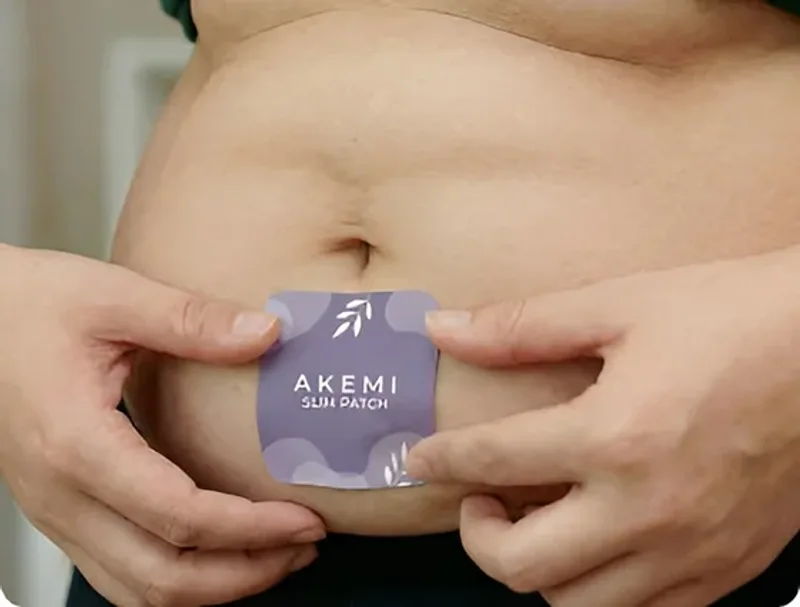
Clean, dry skin and rotating the application site are the two simplest ways to avoid irritation.
- Read the full ingredient list before you buy, not after.
- Do a small patch test on your inner arm for 24 hours before wearing it on your body as directed.
- Rotate the application site to give your skin a break between patches.
- Talk to your doctor first if you're pregnant, nursing, on medication, or managing a health condition.
For the bigger picture on whether patches work at all and how to choose one, see our complete weight loss patches guide and how the science actually works.
Frequently Asked Questions
What are the most common side effects of weight loss patches?
The most reported issue is mild skin irritation or redness at the application site, usually from the adhesive rather than the ingredients themselves.
Who should avoid weight loss patches?
People who are pregnant or nursing, have known allergies to any listed herb, have very sensitive skin, or are managing a chronic health condition should check with a doctor before use.
Does the FDA approve weight loss patches before they're sold?
No. Most weight loss patches are regulated as dietary supplements or cosmetics, which under U.S. law do not require FDA approval before going to market. The manufacturer is responsible for safety.

Rachel Monroe
Rachel researches weight-management products and translates the marketing and the science into plain, honest guidance. She is not a doctor, dietitian, or medical professional, and this article is not medical advice. Talk to a licensed healthcare provider before starting any new weight-loss product, especially if you're pregnant, nursing, or managing a health condition.