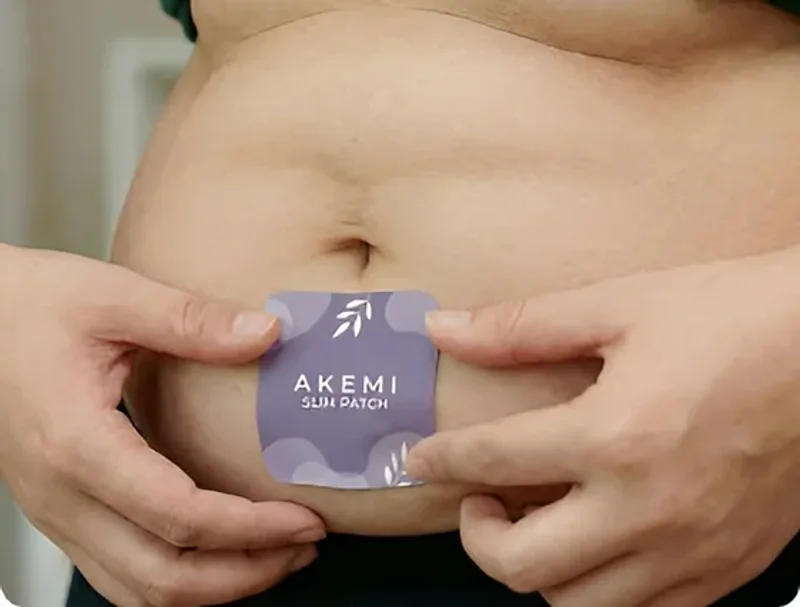
"Side effects of Akemi patches" is one of the questions that brings the most readers to this site. Fair question. The sales page does not answer it in any detail.
So I took the 11 herbs Akemi Slim lists and checked each one against official sources: the NIH, Europe's medicines agency, and published dermatology research. Here is what I found, including the parts that are not flattering.
What Is Actually in the Akemi Slim Patch?
According to the seller, each patch contains 11 herbs and spices:
- Wormwood
- White peony root
- Cinnamon
- Ginger
- Cardamom
- Licorice root
- Tangerine peel
- Clove
- Astragalus
- Longan
- Pepper seed
The herbs are named, but the amount of each one is not published. That matters for side effects. Most safety data on herbs is about how much you take, and here nobody outside the maker knows the dose.
I could not find any clinical trial or published safety study on Akemi Slim itself. Everything below comes from what is known about its ingredients and about patches in general.
What Is the Most Likely Side Effect of Akemi Slim?
Skin trouble under the patch. That is the honest answer for almost any patch, and Akemi Slim is no exception.
Those numbers come from drug patches, not from Akemi Slim. They show the shape of the risk: redness, itching, maybe some puffiness, usually gone within days. Our general guide to patch side effects covers the adhesive side of this in detail.
Which Akemi Herbs Can Irritate Your Skin?
Two of the 11 stand out, and both are kitchen spices.
Cinnamon
The reason is a compound called cinnamaldehyde. It is one of the eight ingredients in "fragrance mix I," the standard blend dermatologists use to test people for perfume allergy (Turčić et al., 2011).
Clove
Clove oil is mostly eugenol, which a 2012 scientific review describes as a major constituent of clove essential oil (Kamatou et al., Molecules, 2012). Eugenol is also in the fragrance allergen mix.
The practical takeaway: if perfume, scented lotion, or cinnamon gum has ever given you a rash, take that as a warning sign before trying Akemi Slim. Do a short test wear first (more on that below).
Which Akemi Herbs Matter If You Have a Health Condition?
Three ingredients come with official cautions that go beyond the skin. Keep in mind these warnings were written about herbs taken by mouth. A patch delivers far less, but "less" is not "none," and the dose here is unpublished.
| Herb | Official caution | Source |
|---|---|---|
| Licorice root | Glycyrrhizin "can cause serious adverse effects," and even small amounts have been linked to severe effects in people with hypertension, heart or kidney conditions, or a high-salt diet. | NCCIH |
| Wormwood | Not for people with liver disease, bile duct obstruction, or allergy to the ragweed/daisy plant family (Asteraceae). Adults only. | European Medicines Agency |
| Astragalus | "People with autoimmune diseases should avoid using astragalus." It may also interact with immune-suppressing drugs. | NCCIH |
| Cinnamon | Cassia cinnamon contains coumarin; prolonged use "could be an issue" for people with liver disease. | NCCIH |
| Ginger | Taken by mouth it can cause heartburn or stomach upset. Anyone on medication should check with a provider first. | NCCIH |
| White peony, cardamom, tangerine peel, longan, pepper seed | Common food or traditional ingredients. I found no official U.S. safety monograph for them; the main concern is a personal allergy. | — |
One more honest note from the NCCIH page on astragalus: "There isn't enough reliable information to know if applying astragalus to the skin is safe or has potential side effects." That is true of most herbs on skin. Nobody has studied it closely.
Does Molecule Size Change the Risk?
Yes, and it cuts in an interesting direction. Dermatology uses a rule of thumb: compounds under roughly 500 Dalton cross skin far better than bigger ones (Bos & Meinardi, 2000). I looked up the key compounds in PubChem, the NIH chemistry database:
- Glycyrrhizin (licorice): about 823 Dalton. Too big to cross skin well, which makes a strong licorice effect from a patch less likely.
- Cinnamaldehyde (cinnamon): about 132 Dalton.
- Eugenol (clove): about 164 Dalton.
- Coumarin (cassia cinnamon): about 146 Dalton.
- Thujone (wormwood): about 152 Dalton.
In plain words: the compounds most likely to bother your skin are the small ones, and they are small enough to get in. That is why the skin allergy question matters more for Akemi Slim than the licorice question. Our article on transdermal vs. oral supplements explains the 500 Dalton rule in full.
Akemi Slim Patch: Every Herb Named, 30-Day Guarantee
Everything in this article was possible because Akemi Slim names all 11 herbs, so you can check them against your own allergies and medications. If you decide to try it, the 30-day money-back guarantee means a skin reaction does not also cost you money. It has not been evaluated by the FDA for weight loss, and no patch has.
Who Should Not Use the Akemi Slim Patch?
- Pregnant or breastfeeding women. MedlinePlus: "Pregnant or nursing women should never take diet medicines of any kind. This includes prescription, herbal, and other over-the-counter remedies." (source). Europe's official wormwood monograph also says its use "is not recommended during pregnancy and lactation" (EMA). See our pregnancy and nursing guide.
- People with high blood pressure, heart, or kidney conditions, because of the licorice root, unless a doctor says otherwise.
- People with liver disease, because of the wormwood and cinnamon cautions above.
- People with an autoimmune disease or on immune-suppressing drugs, because of the astragalus.
- Anyone allergic to ragweed, daisies, chamomile, or other Asteraceae plants, because of the wormwood.
- Anyone with a known fragrance, cinnamon, or clove allergy, or eczema-prone skin.
- Anyone under 18.
If you take any prescription medication, show the ingredient list to your pharmacist. It is free and takes five minutes.
How Can You Test Akemi Slim More Safely?
- Do a short first wear. Wear the first patch for a few hours only, on a small area, and watch your skin for a day.
- Rotate the spot every day. Never two days in a row on the same skin. Our placement guide shows where.
- Use clean, dry, unbroken skin. No lotion, no fresh shaving, no sunburn.
- Peel it off slowly, ideally after a warm shower.
- Keep the box. If you react, a doctor will want the ingredient list.
- Note your order date. The 30-day guarantee only helps if you use it in time.
When Should You Stop and Call a Doctor?
Take the patch off and talk to a healthcare provider if you see a rash spreading past the patch outline, blisters or open skin, redness still there several days after removal, or a reaction that gets worse with each use.
Treat these as an emergency: swelling of the face, lips, or tongue, trouble breathing, or a rash spreading over your body.
I am a researcher, not a clinician. This article cannot look at your skin, and it is not medical advice.
Frequently Asked Questions
Does the Akemi Slim Patch have side effects?
It can. There is no published safety study on Akemi Slim itself, so the honest answer comes from its ingredients and from patch research. The most likely problem is skin irritation under the patch. Two of its herbs, cinnamon and clove, contain compounds that are well-known skin allergens.
Is the Akemi Slim Patch safe if I have high blood pressure?
Ask your doctor first. The patch lists licorice root, and the NIH's NCCIH warns that glycyrrhizin in licorice has been linked to severe adverse effects in people with hypertension or heart or kidney conditions. How much reaches you through skin is unknown, which is exactly why a professional should weigh it.
Can I use the Akemi Slim Patch while pregnant or breastfeeding?
No. MedlinePlus says pregnant or nursing women should never take diet medicines of any kind, including herbal ones. Akemi Slim also lists licorice, wormwood, and astragalus, three herbs with specific pregnancy cautions from official sources.
Can the Akemi Slim Patch cause an allergic reaction?
Yes, it is possible. Cinnamon and clove contain cinnamaldehyde and eugenol, both part of the standard fragrance allergen mix dermatologists patch-test with. Wormwood belongs to the ragweed and daisy family, and Europe's medicines agency says people allergic to that plant family should not use it. The adhesive itself can also be the allergen.
Does the Akemi Slim Patch interact with medications?
It might. The NCCIH notes that astragalus may interact with drugs that suppress the immune system, and advises anyone on medication to check with a provider before using ginger or other herbs. Show the full ingredient list to your pharmacist before you start.
Is the Akemi Slim Patch FDA approved?
No, and no weight loss patch is. The FDA says products that are not swallowed are not dietary supplements, and no patch has been approved by the FDA for weight loss. That is true of the whole category, not a mark against one brand.

Rachel Monroe
Rachel researches weight-management products and translates the marketing and the science into plain, honest guidance. She is not a doctor, dietitian, or medical professional, and this article is not medical advice.